


Fortune Myths Around Le Digger Slot within UK Culture

The relationship between UK players and slot machines has always carried a heavy dose of superstition. From the beachfront arcades of Brighton to the online gaming sessions in Manchester living rooms, players have developed intricate rituals they feel sway the odds in their favor. Le Digger Slot has placed itself at the centre of many such cultural superstitions, evolving into something of a modern myth among the online gaming community. The slot’s mining theme naturally lends itself to the concept of unearthing hidden treasure, which resonates deeply with British players who grew up with tales of buried gold and lucky strikes. This intersection of traditional folklore and digital entertainment has created a unique subculture of beliefs around the game.
Safe Gaming and Dispelling Myths with Math
The cultural richness of luck beliefs should never overshadow the mathematical reality behind Le Digger Slot and all UK-regulated games. Every spin is an isolated event governed by a approved random number generator, making past results unrelated to future outcomes whatever digital folklore asserts. The UK Gambling Commission enforces thorough independent testing
Superstitious Betting Habits and Session Timing
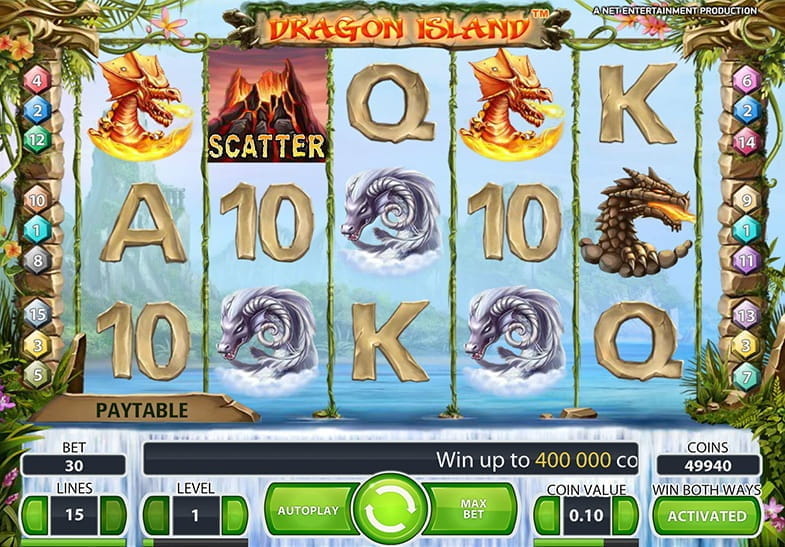
Those habits are prevalent, crossing age groups and regions. Throughout the UK, Le Digger Slot has inspired a vast catalogue of player rituals, each meant to coax the game into a bountiful mood. These routines draw directly on the mining metaphor, converting a session into a symbolic dig for buried treasure. Online forums hum with testimony from players who believe that certain patterns of stake adjustment, deposit amounts, and timing yield better results. While no behaviour can alter the underlying random number generator, the rituals supply a soothing illusion of influence. Many regard them as essential pre-game preparation, as routine as making a cup of tea before settling in to play.
- Gradually increasing stakes reflects the caution of a prospector before striking a rich seam, called as the prospector’s ladder.
- Depositing sums ending in seven, the UK’s luckiest number, to begin a session.
- Spinning in the early morning due to a conviction that software resets favour early birds.
- Vocal encouragement such as “come on, dig” spoken aloud as the reels spin.
The continuation of these rituals is a reflection to the human need for pattern and agency. Random number generators ensure each spin is totally independent, yet the brain is designed to spot sequences. The mining narrative makes a near miss feel like chipping at hard rock before reaching gold, and a win becomes iron-clad proof that the ritual worked. This feedback loop changes experimental actions into established pre-session routines. For numerous UK players, the lucky patterns are now as much a part of the Le Digger experience as the reels themselves, a unique contribution to an normally automated process.
The Historical Roots of Gambling Superstitions across Britain
Britain’s relationship with luck dates back through centuries of tradition, pagan rites, and working-class pastimes. The picture of the lucky miner striking gold against all odds mirrors a national narrative in which grit and fortune unite to reward the underdog. Unlike the mathematical separation seen in some European gambling cultures, British players have long blended probability with personal ritual. The pub fruit machine era of the 1980s and 1990s entrenched these habits, with punters swearing by particular cabinets, times of day, and intricate sequences of button presses. Le Digger Slot taps precisely this concept, enveloping the chance-based mechanics in a mining story that feels as familiar as tossing a coin into a wishing well or crossing fingers before a crucial moment.
The role of Hue and Symbol Psychology
Golden as a Global Trigger
The visual design of Le Digger Slot leans heavily on gold shades, glittering nuggets, and the soft glow of a miner’s lamp against dark earth. Colour psychology research validates that gold triggers anticipation and signals value, quickening the pulse and intensifying attention. British players have assimilated these cues through childhood treasure maps and the gleam of golden sovereigns in heritage dramas. When golden symbols tumble onto the reels, the emotional response circumvents rational analysis and taps into deeply embedded cultural programming. This sensory conditioning causes the game subjectively feel more fortunate than slots drenched in cooler palettes, irrespective of the published return-to-player percentage. Many players observe that the warmth of the mining aesthetic reinterprets losses as near-wins rather than defeats.
The Lantern and the Lucky Shovel
Individual symbols within Le Digger Slot have generated their own folk status among British players. The lantern, emblematic of discovery and guidance, is widely considered as a favourable omen when it lands on the opening reel. Specialist UK slot forums host hundreds of posts examining what unfolds after a lantern sighting, promoting anecdotal streaks to the status of evidence. The shovel scatter symbol has developed a near-legendary reputation, with some devotees saying hello it when it appears. This humanising of game icons mirrors a universal impulse to forge relationships with objects considered to shape luck. The mining theme is particularly suited to such attachments because every symbol contributes to a treasure-hunt narrative in which the player is an active participant.
Group Reinforcement and Internet Folklore
Online forums and social media groups have turbocharged the dissemination of luck beliefs around Le Digger Slot. Facebook communities, Reddit threads, and specific UK slot sites act as virtual campfires where stories of superstitious success are keenly shared and dissected. A user in Bristol who lands a big win after putting on a certain shirt will write about it, and in a few days comparable trials are happening in Glasgow and Cardiff. This rapid cultural spread was inconceivable in the age of physical arcade machines, where beliefs stayed local. Current online folklore includes elaborate theories tying optimal play windows to lunar cycles, an idea that has gained remarkable traction despite having no basis in the software’s architecture. Esteemed community members regularly gather these common superstitions into informal guides that newcomers adopt with surprising seriousness.
UK Area Distinctions of Le Digger Superstitions
Superstitions surrounding Le Digger Slot vary greatly across Britain, with distinct regional flavours adding depth to the folklore. Scottish punters often summon Celtic luck motifs, some knocking on wood before a bonus round as a warding act. In the Welsh valleys, the game connects so strongly with former mining communities that it serves almost as a virtual monument, and player loyalty there runs incredibly strong. Northern English punters favour a pragmatic type of belief, mixing trust in auspicious patterns with a straightforward method to bankroll management they refer to as betting both ways with fate. In London, superstitions are held more loosely and often serve as social currency, shared and debated in social circles rather than kept as personal belief.
The Bonus Feature as a Revered Space
For superstition-prone UK players, the bonus game of Le Digger Slot takes on an almost ceremonial significance. The transition from base game to bonus round is felt as a boundary where ordinary rules are paused and fortune hangs in the scales. During this liminal moment, players mention holding their breath, refusing to blink, or carefully positioning their device on a particular surface. Verbal encouragement is common, with sayings such as “come on, dig” or “find that gold” uttered with genuine feeling. The interactive pick-and-click mechanics enhance the appearance of control, even though the outcome is set the moment the feature starts. Psychologists note that this perceived agency during bonus rounds greatly strengthens player engagement and the long-term embedding of superstitious habits.
The Miner Figure and Ausicious Mining Imagery
The miner occupies a hallowed space in UK industrial memory, particularly in Yorkshire, South Wales, and the North East. This entrenched association transforms the game’s coal-mining motif from window dressing into a significant cultural marker. Players routinely label the animated miner as a good-luck token, a digital successor to the pitmen who worked underground in pursuit of wealth. The notion of digging deeper to unearth larger rewards aligns seamlessly onto the play cycle, where perseverance is perceived to deliver results. Many UK players describe a visceral connection to coal-mining slots because they relive a nation’s narrative of labour and abrupt wealth. The genuine clank of pickaxes and the dull roar of ore carts evoke longing that standard fruit or gem themes simply cannot rival, grounding the game’s superstitions in something authentic.
The Cognitive Purpose of Luck Beliefs
The persistence of superstitions among typically logical British adults makes sense when viewed through the lens of psychological comfort. Rituals serve as an emotional shield against the raw unpredictability of chance, converting a passive gamble into an active pursuit. By assuming that their actions affect outcomes, players ease the helplessness that accompanies a losing streak. The mining narrative strengthens this effect by reframing losses as necessary excavation—each fruitless spin merely clearing soil before the gold surfaces. This reframing sustains optimism and promotes continued play without forcing a direct confrontation with randomness. Support service professionals report that the most entrenched superstitions are inclined to crystallise around significant wins, when the brain scrambles to isolate the cause of a positive outcome in hopes of repeating it.


